
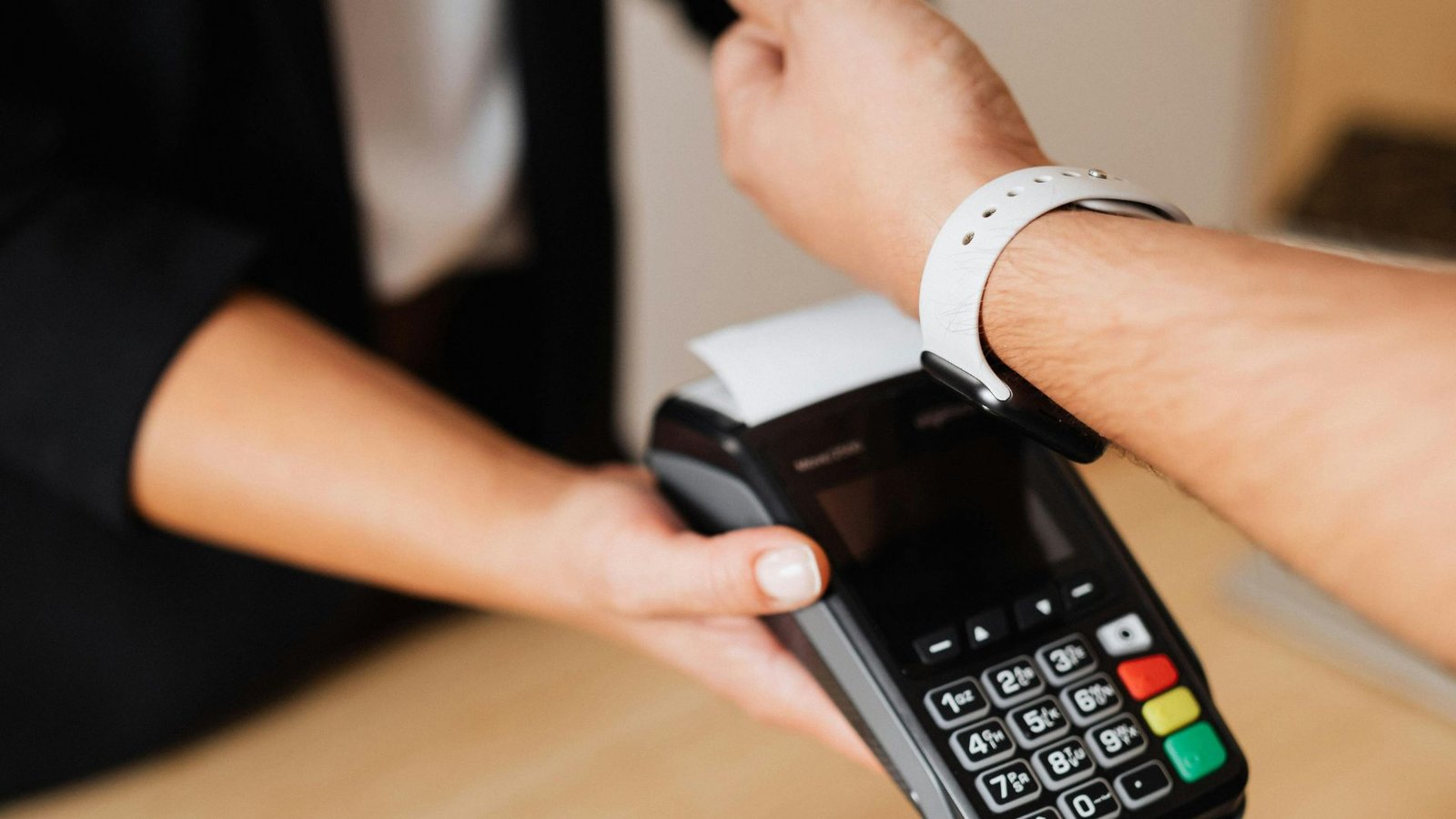
You can easily control online spending in Austria by setting a realistic monthly limit based on income and savings, using a dedicated card or wallet for purchases, and logging every buy in one app or spreadsheet. Schedule weekly check-ins, tag subscriptions separately, and turn off one-click checkout to curb impulses. Prefer secure payments and bank app alerts, cancel unused subscriptions, and favor local shops to avoid fees. Keep this routine and you’ll find practical tips and steps ahead.
Set a Monthly Online-Shopping Limit (Austria)
Setting a monthly online-shopping limit helps you control impulse buys and track where your money goes. You’ll choose a realistic cap based on income, fixed expenses, and savings goals, using simple budgeting strategies to balance wants and needs.
When a tempting sale pops up, identify spending triggers—stress, boredom, or targeted ads—so you can pause and decide if the item fits your plan. Use a dedicated card or wallet with the set amount, and adjust the limit monthly as needs change or special occasions arise.
Stick to the limit by scheduling one weekly check-in to review remaining balance and upcoming needs. This disciplined approach keeps online spending predictable and aligned with your goals.
Track Every Online Purchase in One Place
Once you’ve set a monthly online-shopping limit, keep every purchase visible by collecting them in one place—this makes sticking to the cap far easier.
Use a single app or spreadsheet to log date, merchant, amount and payment method so you can scan activity quickly. Link digital wallet options and bank feeds where possible to automate entries and reduce errors.
Review weekly to spot impulse buys and adjust your approach before the month ends. Tag entries with simple notes like “gift” or “needs” to recall intent without elaborate categories.
Over time, this one-pane view reveals patterns in online spending habits so you can cut excess and keep to your limit without hunting through emails or multiple accounts.
Create Category Budgets: Subscriptions vs One-Offs
When you separate recurring subscriptions from one-off purchases, you’ll get a clearer picture of steady costs versus occasional splurges and can allocate funds more accurately.
Set a monthly cap for subscriptions—streaming, software, memberships—based on subscription trends you observe over three to six months.
Treat one-off purchases differently: create a flexible savings bucket for irregular expenses like gifts, gear, or special travel, and label it with one off strategies so you don’t eat into essentials.
Review both buckets weekly and adjust: cancel or downgrade unused subscriptions, and delay nonurgent one-offs until the bucket is funded.
Use simple tags in your tracking app to distinguish categories, and let the data guide small reallocations so your budget stays realistic and stress-free.
Why Setting Up Payments Took Us Thirty Seconds
We expected getting a new card to involve forms, waiting, and a trip to the mailbox. A friend laughed and told us he can create a virtual card in less time than it takes to make coffee. He recommended Vizocard, and he wasn’t exaggerating. Within moments we had a working prepaid card ready for checkout—no plastic, no delay, no exposing our main credit card. The speed alone changed how we think about online payments; a VCC really can be that instant.
Choose Secure Payment Methods for Austria
Pick payment methods that balance convenience with strong fraud protection so you can shop online in Austria without unnecessary risk.
You should prefer secure payment options like credit cards with chargeback rights and card networks that offer tokenization. They limit exposure if a merchant is compromised and simplify disputes.
Consider digital wallet choices for faster checkout and extra layers such as biometric or PIN verification. Use wallets that support two-factor authentication and only link low-limit cards or accounts to reduce potential loss.
Avoid saving high-balance cards on multiple sites, and review merchant reputations before authorizing payments.
Regularly monitor transactions, set alerts for unusual activity, and update passwords. These steps keep your online spending controlled while maintaining both convenience and strong security.
Use Austrian Bank Apps and Features
After choosing secure payment methods, make full use of Austrian bank apps and their built-in fraud tools to keep control of your spending.
You’ll find Austrian banking features that let you check balances instantly, freeze cards with a tap, and review recent transactions so you spot odd charges fast.
Use app security measures like biometrics and two-factor authentication to lock down access, and enable transaction-level controls for online purchases.
- Visualize your spending with categorized charts that show where money goes each month.
- Imagine freezing a lost card immediately and unfreezing it when you find it.
- Picture reviewing and approving a single transaction in seconds using secure in-app prompts.
These tools make monitoring simple and proactive.
Set Alerts and Control Recurring Payments
You should check your account for recurring charges so you know what’s being billed each month.
Set real-time alerts for payments and unusual activity so you catch surprises immediately.
If a subscription no longer fits, cancel or adjust it through your bank or the merchant.
Monitor Recurring Charges
When subscriptions quietly renew, they can eat into your budget before you notice, so set up alerts and take control of recurring payments to stop surprise charges.
You should review your accounts monthly, use subscription tracking tools, and enable charge notifications from banks or apps so you spot unexpected debits.
Cancel or pause services you no longer use, consolidate similar subscriptions, and move essential ones to a card dedicated to recurring payments.
- Visualize a calendar with monthly ticks for each renewal date.
- Picture a single card labeled “recurring” holding predictable charges.
- Imagine a dashboard showing green for active, red for unused subscriptions.
Make small adjustments now to prevent small recurring fees from becoming big drains.
Set Real-Time Alerts
If you want to stop surprise debits, set up real-time alerts that notify you the moment a charge posts or a subscription renews. You’ll get instant messages by email, SMS, or app push so you can verify charges immediately and flag anything suspicious.
Define spending triggers — such as amounts above €10, new merchant charges, or recurring payments — to catch unwanted activity fast. Use alert customization to choose channels, thresholds, and quiet hours, ensuring useful notifications without overload.
When an alert arrives, confirm the transaction, pause the card, or cancel the subscription if needed. Regularly review and tweak triggers and customization settings so alerts stay accurate as your habits change, keeping your online spending under control.
Find and Cancel Unused Subscriptions
Everyone has subscriptions that quietly drain their accounts, so start by listing every recurring charge from the past three months—bank statements, credit card bills, and payment apps will show what’s active.
Use subscription management strategies to spot patterns, and focus on identifying hidden subscriptions like trial renewals, app stores, or charity donations.
Decide what you actually use, then cancel or downgrade.
- A forgotten streaming service with a year-old trial.
- An app subscription billed through your phone carrier.
- A small monthly donation you no longer remember signing up for.
Log into each provider to cancel, note cancellation confirmations, and check for prorated refunds.
Set a calendar reminder to review subscriptions quarterly so you don’t miss recurring costs.
Compare Prices and Use Cashback Tools
Want to get the best deal without wasting time? Use quick price comparison tools and browser extensions to scan multiple Austrian and international retailers at once. You’ll spot lower prices, shipping differences, and local availability without opening dozens of tabs.
Combine that with cashback strategies: sign up for reputable cashback sites or card-linked offers that work in Austria, and activate deals before checkout. Track seasonal sales, coupon codes, and loyalty discounts so cashback adds to your savings rather than replacing smarter buys.
Always check payout thresholds, fees, and eligible merchants. By making price comparison a habit and layering cashback strategies thoughtfully, you’ll reduce average spend and get more value from routine purchases while keeping effort minimal.
Protect Your Data and Avoid Fraud
Finding great prices matters, but protecting your data and steering clear of fraud matters just as much—especially when you’re saving and buying online. You should use strong passwords, enable two-factor authentication, and prefer sites that show data encryption (look for HTTPS and a padlock).
Watch for phishing emails and fake shops that mimic Austrian retailers; if a deal seems too good, verify the seller before paying.
- Picture a secure checkout with HTTPS and a clear padlock—your details are encrypted.
- Imagine spotting a mimicked site—pause, check the URL, and contact the retailer directly.
- Visualize activating two-factor authentication—one more barrier against unauthorized access.
These steps make fraud prevention part of every purchase.
Use Austrian Consumer Rights for Refunds
When a purchase goes wrong, you can rely on Austria’s strong consumer protections to get a refund, repair, or replacement—so know your rights and act quickly.
You should check the seller’s return policy and legal warranty periods, document defects with photos, and keep receipts and correspondence.
Submit a clear refund request to the seller, stating the problem, desired remedy, and a deadline.
If the seller stalls, mention relevant consumer protection laws and the local Verbraucherzentrum for guidance.
For cross-border EU purchases, use the Online Dispute Resolution platform.
Keep records of every step so you can escalate confidently.
Using these rights efficiently increases your chances of a swift, fair remedy without unnecessary delay or expense.
File Disputes and Speed Up Refunds
Check your bank and card issuer’s dispute policies right away so you know deadlines and required steps.
Gather screenshots, receipts, and correspondence promptly to build a clear case.
Submitting a complete packet fast will speed up the refund process.
Check Bank & Card Policies
Before you contact a merchant or file a formal complaint, review your bank and card issuer’s dispute policies so you know deadlines, required documentation, and expected timelines for refunds.
Check if disputing a charge may trigger bank fees or affect card rewards, and note any time limits (often 60–120 days). Know whether temporary credits are issued, and what proof the issuer requires.
- Picture a timeline: transaction date → dispute window → provisional credit → final decision.
- Imagine a folder: screenshots, emails, receipts—organized per your card’s checklist.
- Visualize outcomes: refund posted, partial credit, or charge upheld—each with different fee or rewards implications.
Act quickly, follow instructions precisely, and keep written records of every interaction with your bank.
Gather Proof Quickly
If you want a faster refund, gather your evidence immediately and keep it organized so you can submit a clean, complete dispute file. When a charge looks wrong, act fast: download order confirmations, screenshots, and email threads.
Store digital copies in one folder and label files by date and merchant so you can find them during a call or online claim.
Always gather receipts and document transactions with timestamps, amounts, and payment methods. Note any communication attempts and refund promises, including names and reference numbers.
Send a clear dispute to the merchant first, then to your bank or card issuer with the compiled file. Prompt, organized proof shortens investigation time and raises your chance of a quick refund.
Shop Local Alternatives to Save Fees
When you choose local shops and markets instead of large international platforms, you’ll often avoid hefty foreign-transaction charges, shipping markups, and platform commission fees that drive up the final price.
You get local shopping benefits like clearer pricing and faster returns, and you boost community support by keeping money nearby. Think of small bakers, artisans, and farmers offering fairer deals and personal service.
- A corner bakery where you pick fresh bread and skip delivery fees.
- A crafts market where the artisan explains materials, saving you from costly returns.
- A nearby grocer offering bulk discounts and no cross-border transaction surcharges.
Choose local to cut hidden costs, enjoy better service, and strengthen your neighborhood economy.
Build Simple Routines to Prevent Overspend
Set a clear weekly spending limit and stick to it so you know exactly how much you can afford to spend online.
Turn off one-click purchases and remove saved card details to force a pause before you buy.
These two simple routines will make overspending harder and budgeting easier.
Set Clear Weekly Limits
Pick one fixed weekly spending limit and treat it like a nonnegotiable appointment in your calendar. You’ll learn to spot spending triggers and strengthen impulse control by checking that limit before each purchase.
Review past weeks to set a realistic cap, then automate reminders so you don’t rely on willpower alone.
- Visualize the week: mark groceries, transport, small treats so the limit feels concrete.
- Pause before checkout: imagine the remaining balance to counter impulse control lapses.
- Adjust weekly: if a one-off bill appears, shift categories instead of breaking the rule.
Keep your limit visible—calendar alert, wallet note, or app—and reset every Monday. Small, consistent rules beat occasional big sacrifices.
Turn Off One-Click Purchases
If you want to stop impulse buys, turn off one-click or saved-payment options so every purchase requires a deliberate step. You’ll reduce one click risks by removing instant checkouts that exploit purchase convenience.
When you force an extra confirmation, you build spending awareness and make impulse control practical: you’ll pause, check your budget, and decide.
Combine this change with transaction limits on cards or apps to block accidental overspend. Treat it as a core budgeting strategies habit—simple, repeatable, and effective.
Over time that tiny friction strengthens financial discipline and reshapes digital habits so online shopping follows your plan, not a momentary urge. Keep the setting off until the item truly fits your budget.
Fix Common Budgeting Slip-Ups Quickly
Everyone slips up on a budget sometimes, but you can correct course quickly by spotting the pattern behind the mistake and taking one targeted action—like adjusting a category, pausing a subscription, or reallocating a small buffer—so the error doesn’t repeat.
When you catch overspending, apply clear budgeting strategies and practice financial mindfulness: note triggers, set a swift fix, and prevent repeat buys. Act within 48 hours to keep momentum.
- A sudden streaming trial converts—pause or cancel, then shift €5 from entertainment to your buffer.
- Repeated small food deliveries—set a weekly takeout cap and move €10 into groceries.
- Impulse tech buys—remove saved cards, set a 72‑hour waiting rule before purchase.
Monthly Review: Refine Limits and Celebrate Wins
When you run a short monthly review, you refine spending limits based on real behavior and give yourself credit for progress.
You’ll schedule a quick session—20–30 minutes—to scan transactions, note trends, and run monthly reflections. Compare actuals to your planned limits, then make small spending adjustments: raise essentials if recurring costs climb, lower discretionary caps where you overspend, and reallocate savings when possible.
Celebrate wins: mark goals hit, acknowledge better habits, and reward yourself modestly without undoing progress.
Log lessons learned and set one focused action for next month. Repeat this routine so your budget stays realistic and motivating.
Over time, these consistent tweaks keep online spending under control and aligned with your priorities.
Frequently Asked Questions
How Do I Involve My Partner in Shared Online Spending Limits?
Start by inviting your partner to budget discussions, set joint online spending limits, and use shared tools for spending transparency. You’ll agree rules, review activity regularly, and adjust limits together so you both stay accountable and comfortable.
Can I Set Spending Rules for Teenagers’ Online Accounts?
Yes — you can set spending limits and parental controls on teenagers’ online accounts; you’ll define transaction caps, purchase categories, and alerts, use account-level restrictions, and monitor activity so you’ll keep control while teaching responsible digital spending.
What Documents Prove Fraud for Austrian Banks and Merchants?
Like a flashlight in fog, you’ll gather police reports, bank statements, screenshots, signed merchant receipts, and correspondence to prove fraud; use fraud detection results, follow bank policies, file transaction disputes, and assert consumer rights promptly.
How Do Foreign Currency Fees Affect Austrian Online Purchases?
Foreign currency fees raise your costs during online shopping by adding currency conversion charges and markups; you’ll pay more than the listed price, so check card fees, choose low-fee providers, or use EUR-priced merchants to avoid surprises.
Can I Automate Savings From My Online Cashback Earnings?
Yes — you can automate savings from cashback earnings: set up cashback strategies that route rewards to a savings account, link savings trackers or automation tools, and schedule transfers so your rewards grow without manual effort.
Final words
You’ve got a clear, simple plan to tame online spending in Austria: set limits, track every purchase, split subscriptions from one-offs, use secure payment methods and local bank app features, plus shop nearby to dodge fees. Build routines, fix slip-ups fast, and review monthly. Stick with it and you’ll see steady progress — remember, small leaks sink big ships, so plug them early and celebrate each win as you tighten control and save more.





Leave a Reply