
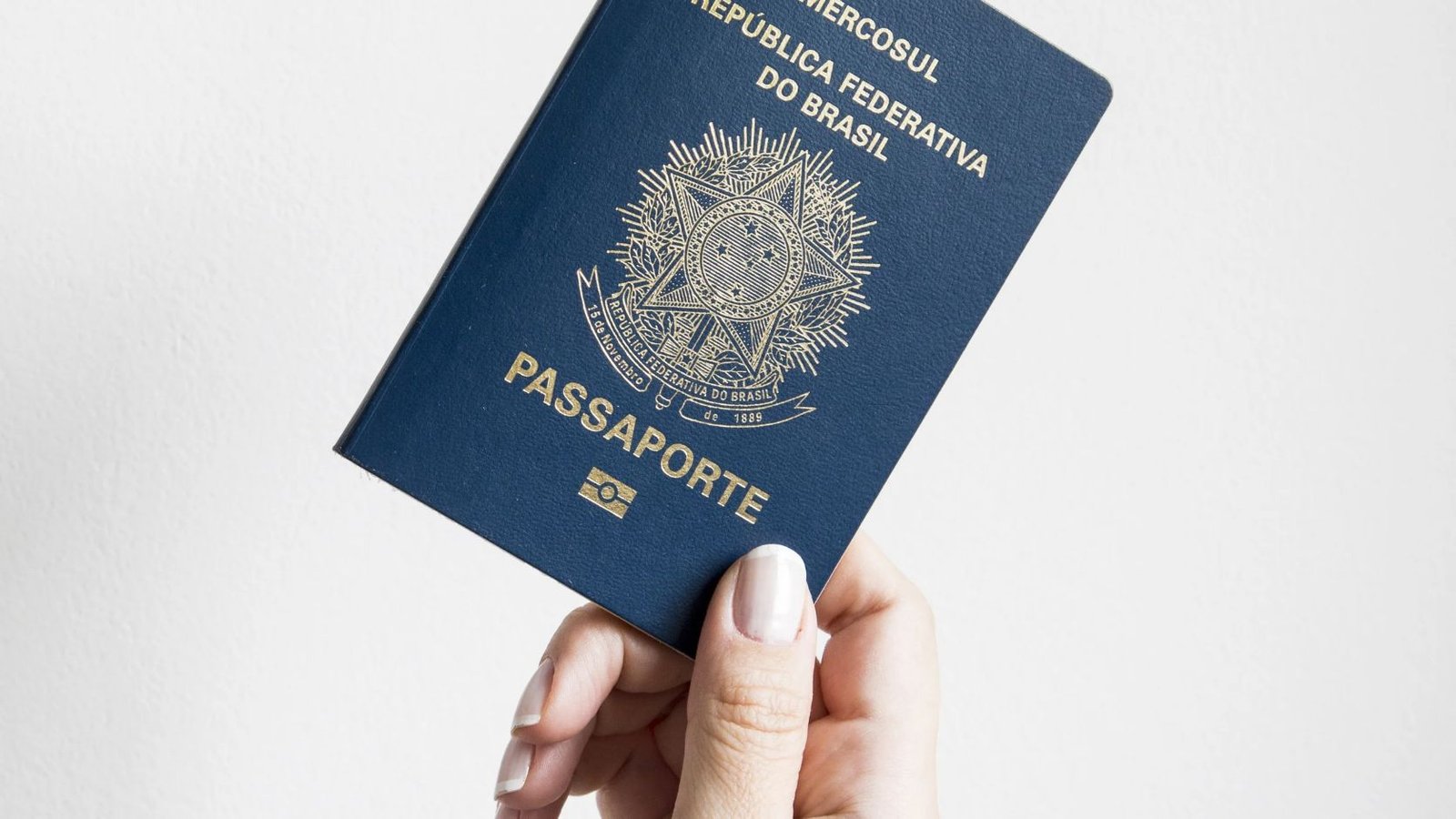
Applying for a visa is an important step when planning to travel, study, work, or live in another country. The application process depends on the destination country, the applicant’s nationality, the purpose of travel, and the intended length of stay. Some countries offer online applications, while others require applicants to visit an embassy, consulate, or authorized visa application center.
Understanding how to apply for a visa can help applicants prepare the correct documents, complete the application accurately, pay the required fees, and avoid common mistakes. Each country has its own immigration rules, eligibility criteria, and processing procedures. Applicants must meet the requirements for their specific visa category before submitting an application.
This guide explains the main steps involved in applying for a visa, including choosing the correct visa type, preparing documents, completing the application form, attending an interview when required, and checking the application status. It also answers common questions about visa fees, processing times, refusals, and travel requirements.
What Is a Visa?
A visa is an official authorization issued by a country’s government that allows a foreign national to travel to its border and request entry for a permitted purpose. Depending on the country, a visa may be issued as a physical sticker in a passport, an electronic document, or another approved form of authorization.
Visas help immigration authorities regulate international travel and determine the conditions under which visitors may enter or remain in a country. These conditions may include the purpose of travel, permitted length of stay, number of entries, and restrictions on employment or study.
For example, a tourist visa generally supports leisure travel, while a student visa allows eligible international students to pursue approved educational programs. A work visa may authorize employment under specific conditions, and a family visa may allow eligible relatives to join family members living abroad.
Not every traveler needs a visa. Some nationalities qualify for visa-free entry, while others may use an electronic travel authorization or obtain a visa on arrival. Requirements depend on the destination, passport, travel purpose, and applicable immigration agreements.
How to Apply for a Visa Step by Step
The visa application process usually involves several stages. Although the exact procedure varies by country, most applicants need to identify the correct visa category, gather supporting documents, submit an application, and wait for a decision.
Step 1: Identify the Correct Visa Type
The first step is to determine which visa category matches your travel purpose. Applying under the wrong category can lead to delays, additional costs, or refusal.
Common visa categories include tourist, business, student, work, transit, family, medical treatment, and immigrant visas. Each category has different requirements and restrictions.
For example, someone planning a two-week holiday may need a tourist visa, while a person accepted into a foreign university may need a student visa. An employee moving abroad for a job may require an employer-sponsored work visa.
Before applying, confirm whether your intended activities are permitted under the selected category. If you plan to study, work, or stay with family, do not assume that a standard visitor visa will cover those activities.
Step 2: Check the Official Visa Requirements
After identifying the visa type, visit the official immigration website or embassy website of the destination country. Review the eligibility rules and application instructions for your nationality.
Check whether you must apply online, submit paper documents, attend an appointment, provide biometric information, or complete an interview. Also confirm the required passport validity, photograph specifications, application fees, and supporting evidence.
Some countries require applicants to apply through an authorized visa application center. Others allow direct online applications through a government portal. Use official sources to verify the process and avoid unofficial websites that may charge unnecessary service fees.
If you are applying for a visa to the United States, the United Kingdom, Canada, Australia, or a Schengen Area country, consult the relevant official government website because their application procedures are not identical.
Step 3: Prepare the Required Documents
Preparing complete and accurate documents is a key part of the application process. The documents required depend on the visa category and the applicant’s circumstances.
Many applications require a valid passport, a completed application form, a recent photograph, and proof of the purpose of travel. Applicants may also need financial evidence, accommodation details, travel plans, or proof of their intention to leave the destination country when required.
Tourist visa applicants may need bank statements, hotel reservations, or an itinerary. Student applicants often need an admission letter and proof of funds for tuition and living expenses. Work visa applicants may need a job offer, employment contract, or sponsorship approval. Family visa applicants may need marriage certificates, birth certificates, or other proof of a qualifying relationship.
Ensure that all documents contain consistent information. Names, passport numbers, dates, and other personal details should match across the application and supporting records. If documents are not in an accepted language, the immigration authority may require certified translations.
Step 4: Complete the Visa Application Form
Most countries require applicants to complete an application form online or on paper. The form may ask for personal information, passport details, travel history, employment information, financial circumstances, and the reason for visiting.
Read each question carefully and provide accurate answers. Do not leave required fields incomplete or provide information that conflicts with your supporting documents.
Review the form before submission. Even a small mistake in a passport number, date of birth, travel date, or contact detail may cause processing problems. If a question does not apply to you, follow the official instructions for that field rather than entering inaccurate information.
After completing the form, save or print a copy if the system permits it. You may need the application reference number or confirmation page for appointments and status checks.
Step 5: Pay the Visa Application Fee
Most visa applications require a fee. The amount depends on the destination country, visa category, applicant’s age, and type of service requested.
Payment methods may include credit cards, debit cards, bank transfers, or approved payment services. Some application centers also charge separate service fees for document handling, appointments, or biometric collection.
Check the official fee schedule before making payment. Visa fees are often non-refundable, even when an application is refused or withdrawn. Keep the payment receipt because it may be required during the application process.
Do not assume that paying the fee guarantees approval. Immigration authorities assess each application against the relevant eligibility and entry requirements.
Step 6: Book an Appointment and Provide Biometrics
Some countries require applicants to attend an appointment at an embassy, consulate, or visa application center. During the appointment, staff may verify documents, collect fingerprints and a photograph, or check the applicant’s identity.
Biometric requirements depend on the destination country, visa type, and applicant’s age. Certain applicants may be exempt under specific rules.
Bring the required documents, passport, appointment confirmation, and payment receipt if requested. Arrive at the designated location at the scheduled time and follow the center’s instructions.
Not every visa application requires an in-person appointment. Some electronic visa systems allow eligible applicants to complete the entire process online.
Step 7: Attend a Visa Interview if Required
An immigration authority may request an interview to verify the purpose of travel, assess eligibility, or clarify information in the application.
Questions may concern the planned trip, financial resources, employment, education, accommodation, family connections, or travel history. The questions depend on the visa category and the applicant’s circumstances.
Answer clearly and honestly. Your responses should be consistent with the information in your application and supporting documents. If you do not know an answer, avoid guessing or presenting unverified information as fact.
An interview is not required for every visa category. Follow the official instructions to determine whether you need to attend one.
Step 8: Track Your Visa Application
After submitting the application, use the official tracking system if one is available. You may need your application reference number, passport number, date of birth, or other identifying details.
Processing times vary according to the destination country, visa type, application volume, security checks, and completeness of the documents. Some electronic applications receive decisions quickly, while certain employment, family, or immigration applications can take weeks or months.
A tracking page may show that the application has been received, is under review, requires additional documents, or has reached a decision. These status labels differ between systems.
If the immigration authority requests additional evidence, respond within the stated deadline. Avoid submitting duplicate applications unless the relevant authority advises you to do so.
Step 9: Receive Your Visa Decision
Once the application has been assessed, the immigration authority will issue a decision. If approved, you may receive an electronic visa, a passport containing a visa sticker, or instructions for collecting your travel document.
Check the visa carefully after approval. Confirm that your name, passport details, visa category, validity dates, and permitted entries are correct.
A visa’s validity period is not always the same as the maximum length of stay. For example, a visa may remain valid for several months while allowing only a limited stay during each visit. The applicable conditions determine how long you may remain.
If the application is refused, read the decision notice carefully. It may explain the reasons for refusal and whether an administrative review, appeal, or new application is available.
Documents Commonly Required for a Visa Application
The required documents vary by country and visa category, but applicants should be prepared to provide evidence that supports their identity, travel purpose, and eligibility.
| Document | Purpose |
| Valid passport | Confirms identity and nationality |
| Application form | Provides personal and travel information |
| Recent photograph | Meets official identification requirements |
| Financial evidence | Shows the ability to cover relevant expenses |
| Travel itinerary | Explains planned travel dates and destinations |
| Accommodation details | Supports information about where the applicant will stay |
| Invitation or admission letter | Confirms a business, family, or educational purpose where applicable |
| Employment or income evidence | Supports employment, sponsorship, or financial circumstances |
| Civil documents | Establishes relationships or other relevant personal details |
| Medical or police certificates | Meets specific health or character requirements when requested |
This table is a general guide, not a universal checklist. Applicants should submit only the documents required or permitted by the relevant authority and follow its instructions for translations, certification, and document format.
How Much Does It Cost to Apply for a Visa?
The cost of a visa depends on the destination country, visa category, applicant’s nationality, and application method. There is no single fee that applies to all visas.
The total cost may include the government application fee, a visa center service fee, biometric collection charges, translation costs, document certification, and required medical examinations. Travel insurance or other supporting services may also add to the total expense when required.
Applicants should review the current official fee schedule before submitting their applications. Fees may change, and some categories have reduced fees or exemptions for eligible applicants.
Use the official payment method and retain receipts for all required payments. Be cautious of websites or agents that promise guaranteed approval in exchange for unusually high fees.
How Long Does Visa Processing Take?
Visa processing times depend on the destination country, visa category, nationality, time of year, and the complexity of the application. Applications requiring additional background checks or supporting documents may take longer than standard cases.
Electronic travel authorizations and some short-stay applications may be processed within a relatively short period. Student, employment, family reunification, and permanent immigration applications may require more extensive assessment.
Apply well before your planned departure date. Check the official processing estimates for your visa category and allow additional time for appointments, document preparation, passport return, or requests for further information.
A published processing estimate is not a guarantee of a decision by a particular date. Avoid making non-refundable bookings until you understand the relevant requirements and the risk of delays.
Common Reasons for Visa Refusal
Visa applications may be refused when applicants fail to meet the applicable eligibility requirements or do not provide enough evidence to support their claims.
Common issues include incomplete forms, inconsistent personal information, insufficient financial evidence, missing documents, an unclear travel purpose, or failure to satisfy a sponsorship requirement. Some applications may also be refused because of immigration history, security concerns, or other grounds established by law.
Applicants can reduce avoidable errors by reviewing the official checklist, checking all dates and identification details, and providing genuine supporting documents. No preparation method can guarantee approval.
If a visa is refused, review the decision notice before applying again. Depending on the country, applicants may be able to correct an error, submit additional evidence, request a review, or appeal. The available options and deadlines vary.
Tips for a Successful Visa Application
A well-prepared application should clearly demonstrate that the applicant meets the requirements for the chosen visa category. Start by confirming the official rules and preparing the required documents before submitting the form.
Provide accurate information throughout the application. Ensure that financial records, travel plans, invitation letters, and other evidence support the stated purpose of travel. If you need a sponsor, confirm that the sponsor meets the applicable eligibility criteria.
Submit the application early enough to allow for processing and possible requests for additional information. Keep copies of forms, receipts, appointment confirmations, and correspondence from the immigration authority.
Most importantly, follow the visa conditions after approval. Do not assume that a visitor visa permits employment or long-term study, and do not remain beyond the authorized period without appropriate permission.
Frequently Asked Questions About Applying for a Visa
1. How do I apply for a visa for the first time?
Start by identifying the destination country’s requirements for your nationality and travel purpose. Select the correct visa category, gather the required documents, complete the official application form, pay the fee, and attend any required appointment or interview. Then monitor the application until a decision is issued.
2. Can I apply for a visa online?
Yes, many countries accept online applications for certain visa categories. Some issue electronic visas, while others require applicants to attend an appointment or submit their passports separately. Check the official government website to confirm whether your visa type is available online.
3. What is the easiest visa to get?
There is no visa category that is easiest for every applicant. Eligibility depends on nationality, travel purpose, financial circumstances, supporting evidence, and the destination country’s rules. A traveler who qualifies for visa-free entry or a simple electronic authorization may have fewer application steps than someone applying for a long-term work or immigration visa.
4. How much money do I need to apply for a visa?
The required funds depend on the destination, length of stay, accommodation costs, and visa category. Some countries specify minimum financial requirements, while others assess whether the applicant can reasonably cover the planned expenses. Check the official requirements and prepare acceptable financial evidence.
5. Do I need a bank statement for a visa?
Some visa categories require bank statements or other evidence of financial support. These documents may help demonstrate that the applicant can pay for accommodation, transport, tuition, or living expenses. Requirements differ, so applicants should confirm the accepted documents and statement period for their specific application.
6. Can I apply for a visa without a travel ticket?
Some countries allow applicants to apply without purchasing a confirmed flight ticket. Others may request an itinerary, onward travel evidence, or particular booking details. Check the official instructions before purchasing a non-refundable ticket, and never submit false reservations or documents.
7. What should I do if my visa application is rejected?
Read the refusal notice and identify the stated reasons. Check whether the country permits an appeal, review, or new application, and follow the applicable deadline. If you reapply, address the relevant issues and provide genuine supporting evidence.
8. Can I work while visiting another country on a tourist visa?
Generally, a tourist visa does not authorize ordinary paid employment. Some countries permit narrowly defined business activities or limited exceptions, but the rules vary. Obtain the correct work authorization before starting employment.
9. How can I check my visa application status?
Use the official tracking portal or application center specified by the immigration authority. Enter the requested reference details and review any updates or requests for documents. If the status is unclear, contact the official support service listed on the government or authorized center website.
10. Where should I apply for a visa?
Apply through the official immigration website, embassy, consulate, or authorized visa application center designated for your destination and visa category. Avoid relying on unverified third-party websites. Official sources provide the most reliable information about fees, forms, appointments, and eligibility.
Conclusion
Understanding how to apply for a visa helps travelers prepare for international trips with greater clarity. The process usually involves selecting the correct visa category, checking official requirements, preparing documents, completing the application form, paying the required fees, and attending any necessary appointment or interview.
The exact process depends on the destination country, the applicant’s nationality, and the purpose of travel. Processing times, financial requirements, document standards, and entry conditions can differ significantly between visa categories.
Before applying, review the latest instructions from the relevant immigration authority and make sure all information is accurate. Keep copies of your application and supporting documents, monitor the status, and wait for the required authorization before traveling when applicable. Careful preparation can help prevent avoidable mistakes and support a smoother visa application process.




Leave a Reply